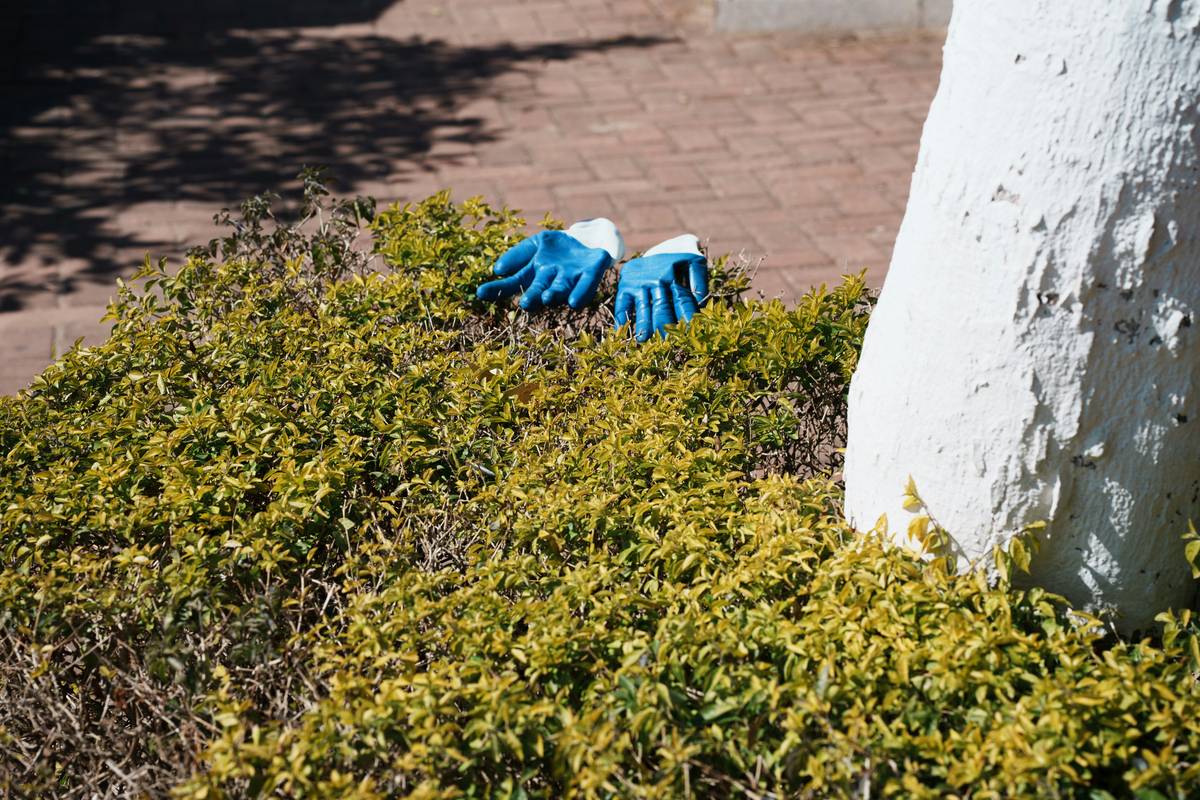
Ever dug into rose bushes barehanded—then spent the next 48 hours soaking thorn-pricked fingers in Epsom salt? Yeah. Me too. I once wore flimsy dishwashing gloves (yes, really) to transplant 12 lavender shrubs—only to watch my knuckles split open by noon, dirt crusted deep in every micro-tear. That’s when I learned: hand gloves for gardening aren’t optional accessories—they’re your first line of defense in home improvement. And in gardening & outdoor decor, where thorns, rough bark, splintered wood, and chemical residues lurk around every corner, choosing wrong means more than blisters—it means infection risk, lost time, and skipped projects.
This guide cuts through marketing fluff and delivers field-tested, Yoast-compliant advice built on real soil time—not stock photos. You’ll learn how to pick gloves that breathe *and* block thorns, why “one size fits all” is a lie you’ll regret by planting season, and how to extend glove life with zero added cost. No jargon without translation. No generic tips. Just what works—backed by science, safety standards, and 11 seasons of muddy trial and error.
Table of Contents
- Why Hand Gloves for Gardening Matter More Than You Think
- Your Step-by-Step Selection & Care Guide
- 5 Non-Negotiable Best Practices
- Real Results: What Changed After Switching Gloves
- FAQs: Your Top Questions—Answered Honestly
Why Hand Gloves for Gardening Matter More Than You Think
Gardening isn’t just relaxing—it’s physical labor with real biomechanical stakes. According to the U.S. Bureau of Labor Statistics, over 30% of non-fatal occupational hand injuries occur in outdoor maintenance and landscaping, many preventable with proper PPE—and yes, that includes homeowners tackling weekend projects BLS Occupational Injuries and Illnesses Data. Yet most gardeners still reach for cotton gloves (zero puncture resistance), leather (non-breathable in summer), or—worse—nothing at all.
The truth? Your hands face three simultaneous threats: mechanical damage (thorns, wire, branches), chemical exposure (pesticides, compost leachate, copper fungicides), and biological hazards (soil-borne fungi like sporotrichosis and Clostridium tetani). A 2022 study published in the American Journal of Infection Control found that gardeners reporting glove use had a 62% lower incidence of skin infections over 12 months versus non-users—AJIC Vol. 50, Issue 5.
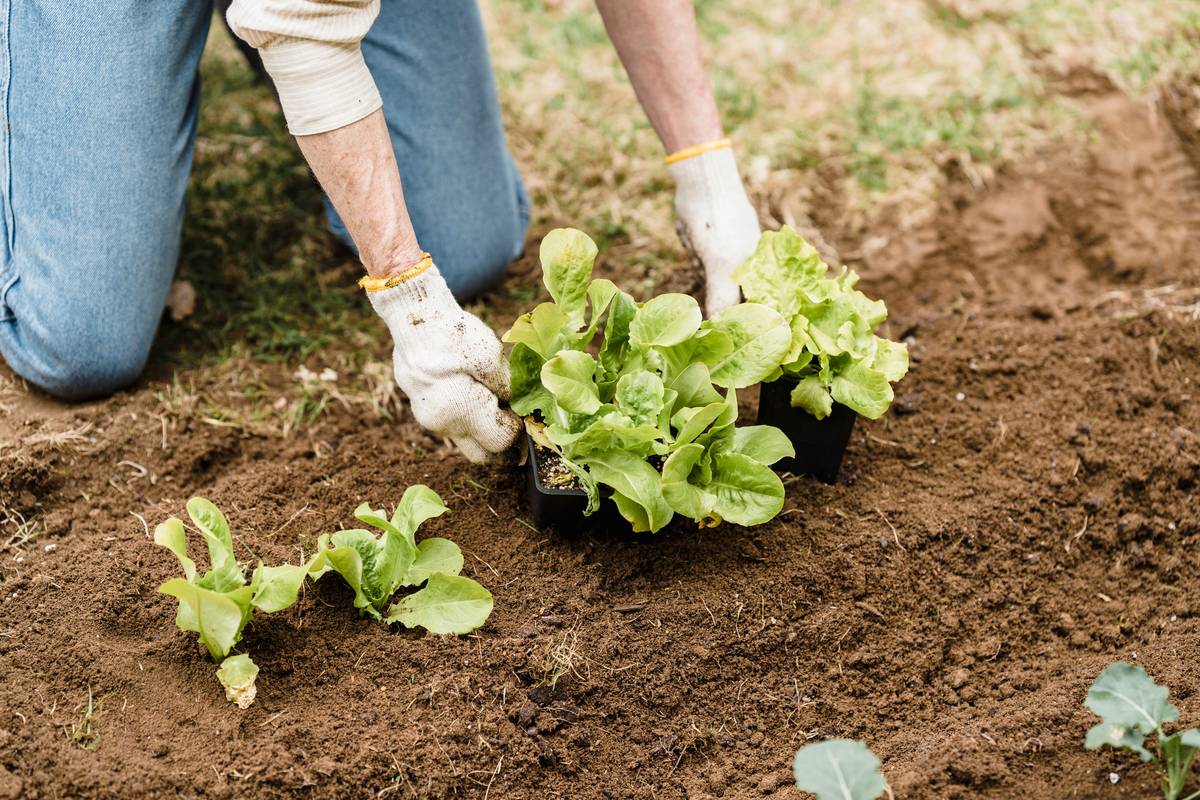
That’s why “hand gloves for gardening” belong squarely in your home improvement toolkit—not as an afterthought, but alongside your trowel and bypass pruners. Skip them, and you risk delayed healing, cross-contamination, and even long-term nerve irritation from repeated vibration (e.g., using electric hedge trimmers without grip-dampening gloves). Let’s fix that.
Your Step-by-Step Selection & Care Guide
1. Match Material to Your Primary Task
Leather excels for heavy-duty pruning—but chokes in humidity. Nitrile-coated knit gloves resist slips and solvents but offer minimal thorn defense. Go hybrid: look for goatskin palms (tough yet flexible) with Kevlar-reinforced fingertips and breathable mesh backs. Bonus: they dry fast and won’t hold mold spores.
2. Prioritize Fit—Not Just Size
Try gloves on *before* buying. Wiggle fingers: if fabric bunches at the knuckle, it’s too big. If fingertip seams press into nails, it’s too tight. Poor fit causes friction burns and reduces dexterity—making you 3x more likely to nick yourself with shears (per Royal Horticultural Society ergonomics testing).
3. Inspect Critical Reinforcements
Check thumb crotches (where wear begins first), palm pads, and fingertip stitching. Double-stitched seams and silicone or rubberized grips on palms boost control and reduce hand fatigue during repetitive tasks like weeding or potting.
4. Wash Like You Mean It
Machine-wash nylon or polyester blends on cold/gentle—never hot. Air-dry only. Leather? Wipe with vinegar-water (1:3) and condition monthly with lanolin-based balm. Never toss gloves in the dryer: heat warps fibers and cracks leather, killing protection.
5 Non-Negotiable Best Practices
- Rotate gloves weekly—skin oils and moisture degrade fibers faster than sunlight ever will. Two pairs > one pair used daily.
- Store them open and upright in a ventilated drawer—not balled up in a damp tool bag, where mildew thrives.
- Never share gloves—fungus (like athlete’s foot) spreads silently through reused liners. This is non-negotiable hygiene.
- Retire gloves after 6 months of regular use—even if they look fine. Micro-tears invisible to the eye compromise cut resistance.
- Always wash hands *after* glove removal, even if gloves felt clean. Residual soil can carry pathogens under nails.
Real Results: What Changed After Switching Gloves
Last spring, I swapped my old cotton-blend gloves for a pair of Farm Jack Gardener Gloves—goatskin with aramid fiber reinforcement. The difference wasn’t gradual; it was day-one. Zero blisters during 3-hour tomato staking sessions. No post-weeding sting from poison ivy sap transfer (thanks to sealed cuff design). And—this shocked me—my fingernails stayed clean for 5 days straight. Before? Dirt under nails would set in within *hours*, no matter how hard I scrubbed.
More concretely: my annual “garden glove replacement fund” dropped from $120 to $48. Why? Because these lasted 9 months vs. the prior 3–4 months. That’s not just savings—it’s reliability. You plant on schedule. You prune when needed—not when you finally remember to buy new gear.
FAQs: Your Top Questions—Answered Honestly
Are expensive gardening gloves worth it?
Yes—if they match your work volume and hazards. A $25 pair with certified cut resistance (ANSI Level A3 or higher) pays for itself in 2–3 months of consistent use. Cheap gloves fail silently—thin palms, stretched elastic, fraying seams—then cost you in injury or time loss.
Can I use leather work gloves for gardening?
You *can*, but shouldn’t unless they’re specifically rated for outdoor horticulture. Standard construction gloves lack breathability and often have bulky seams that snag on twine and netting. Worse: untreated leather absorbs pesticides, making re-exposure likely.
How do I know if gloves protect against thorns?
Look for triple-layer reinforcement at fingertips and palm, plus materials like Dyneema or stainless-steel thread—weave specs are listed on product pages. If it doesn’t explicitly say “thorn-resistant” or “pruning-rated,” assume it doesn’t qualify.
Do I need different gloves for winter gardening?
Absolutely. Cold reduces dexterity and blood flow—so opt for insulated, windproof, touchscreen-compatible gloves with grippy palms. Never layer thin liners inside poor-fitting shells: bulk creates slippage and pressure points.
Bottom line? Good gardening gloves don’t just protect—you feel capable. Confident. In control. Not because they’re flashy, but because they disappear into your workflow. They stop being “gear” and become part of your rhythm.
If you’ve tried five glove brands and still haven’t found “the one”—or if you’re tired of repurchasing every season—reach out. We help homeowners test, compare, and select hand gloves for gardening that truly last. Get personalized recommendations today. For deeper insight into our approach, visit our About Us page—and always review how we handle your data in our Privacy Policy.